Grinding built into the system
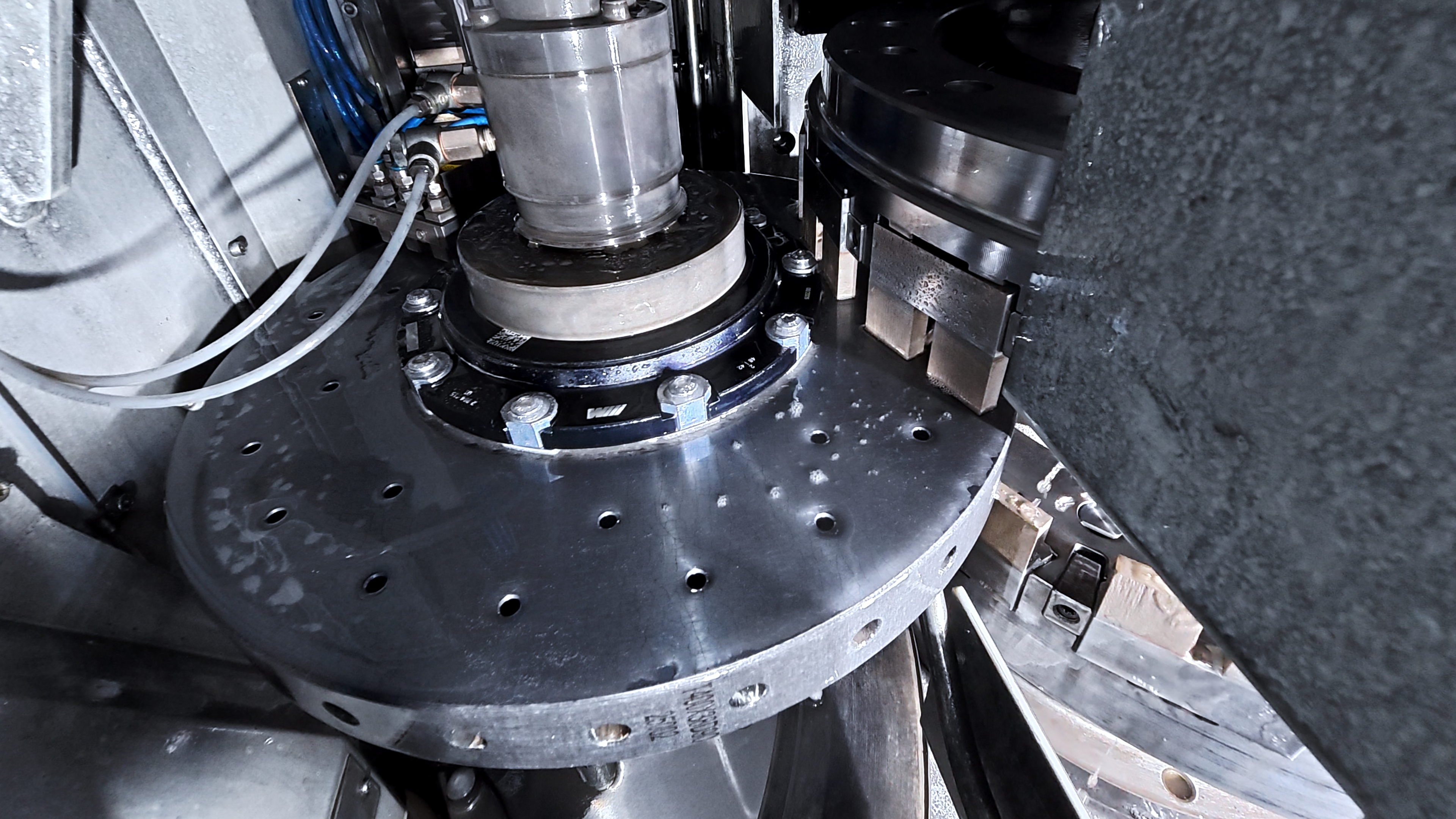
Targeted developments for specific applications, such as the machining of brake disks or castings, deliver further efficiency gains for the user. In modern grinding machines, measurement technology plays a key role in ensuring workpiece quality - right down to providing geometric feedback data for the quality control loop. Last but not least, it is important to ensure that the precision tools used throughout the system are in optimal condition. In this regard, tool grinding takes on particular importance, along with a reliable supply chain to ensure reliable processes.
Precision comes from teamwork
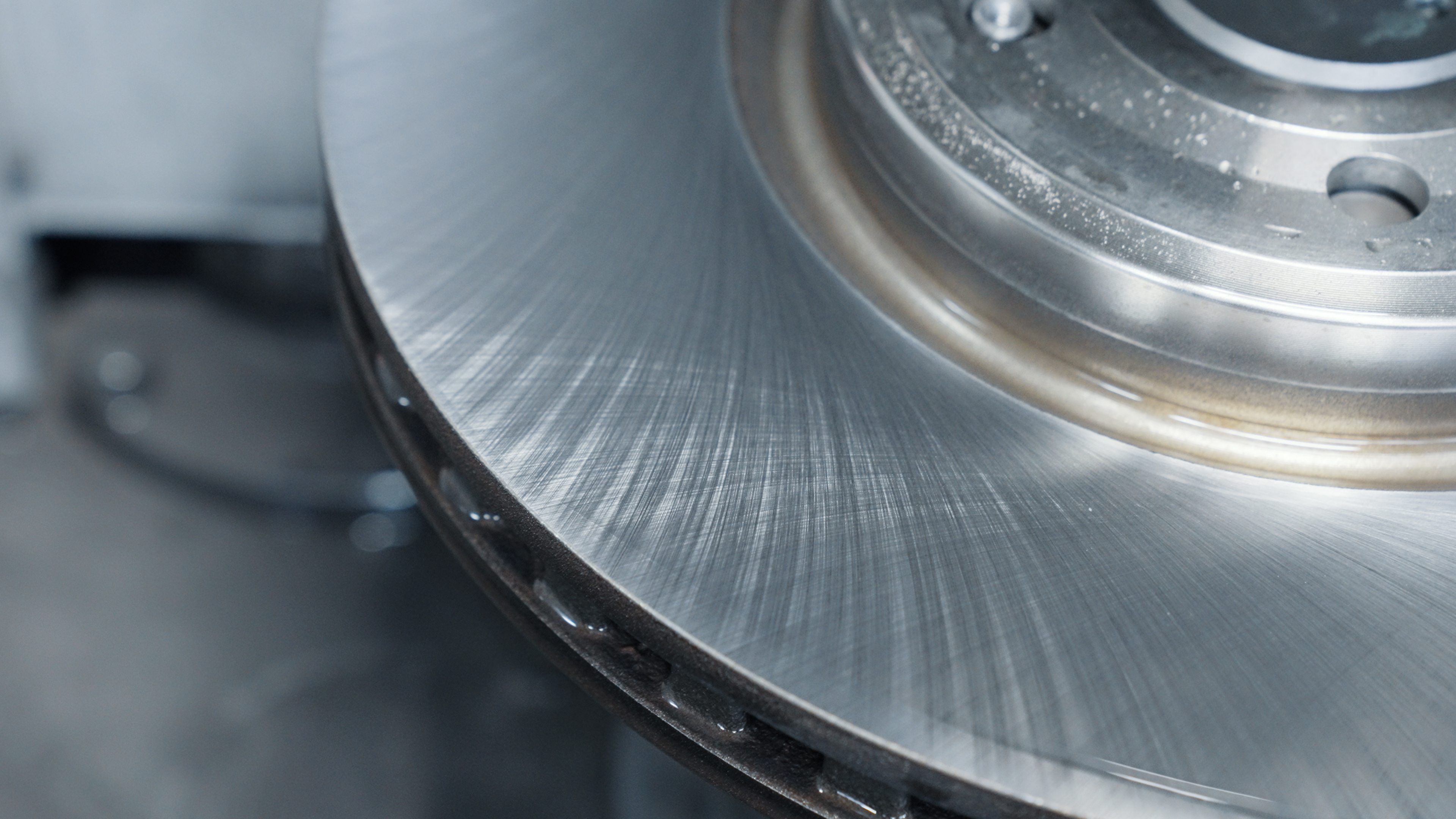
When it comes to tight dimensional tolerances and high-precision surfaces, grinding is a key technology in modern manufacturing. The key to stable and cost-effective processes lies not only in the method itself, but also in the precise interaction between the machine, the tool, process expertise, and measurement technology – especially when it comes to complex workpieces such as brake disks. These are extremely sensitive to mechanical and thermal stress. Excessive process forces quickly lead to warping and, consequently, to deviations in axial run-out and parallelism. The goal of modern grinding processes is therefore to ensure that material removal is as gentle as possible while also being reproducible.
One approach that has proven effective here is to consistently consider the entire process chain. Coating and grinding are designed as an integrated process, with machines, grinding tools, and abrasives precisely matched to one another. At the same time, Nagel Technologies GmbH of Nürtingen assumes responsibility for the entire machining process. “Today, grinding is no longer just about material removal, but about the controlled interaction of all process components,” explains Andreas Schmohl, Managing Director of Elgan Diamantwerkzeuge GmbH & Co. KG and Head of the Superfinishing Division at Nagel Technologies. "Our goal is to keep process forces as low as possible in order to prevent deformation and achieve the highest precision."
Technically, the approach is based on double-sided grinding, in which both sides of the brake disk are machined simultaneously. The even load distribution reduces local force peaks and ensures stable, high-quality processes throughout the entire service life of the self-sharpening grinding segments. This project demonstrates the versatility of this technology: We have already produced approximately 40,000 coated brake disks in some 300 different variants for customers as part of preproduction and prototype development. A single machine can be used to manufacture brake disks for both passenger cars and trucks – as well as coated cast brake disks and ceramic variants – simply by changing the abrasive. Grinding is thus increasingly becoming an integrated key technology in which the precise interaction between the tool, the machine, and measurement technology determines both quality and cost-effectiveness. “At GrindingHub 2026, we’d be happy to go into even more detail during our direct discussions here,” said Schmohl.
Measurement instead of rework: Precision right in the grinding machine
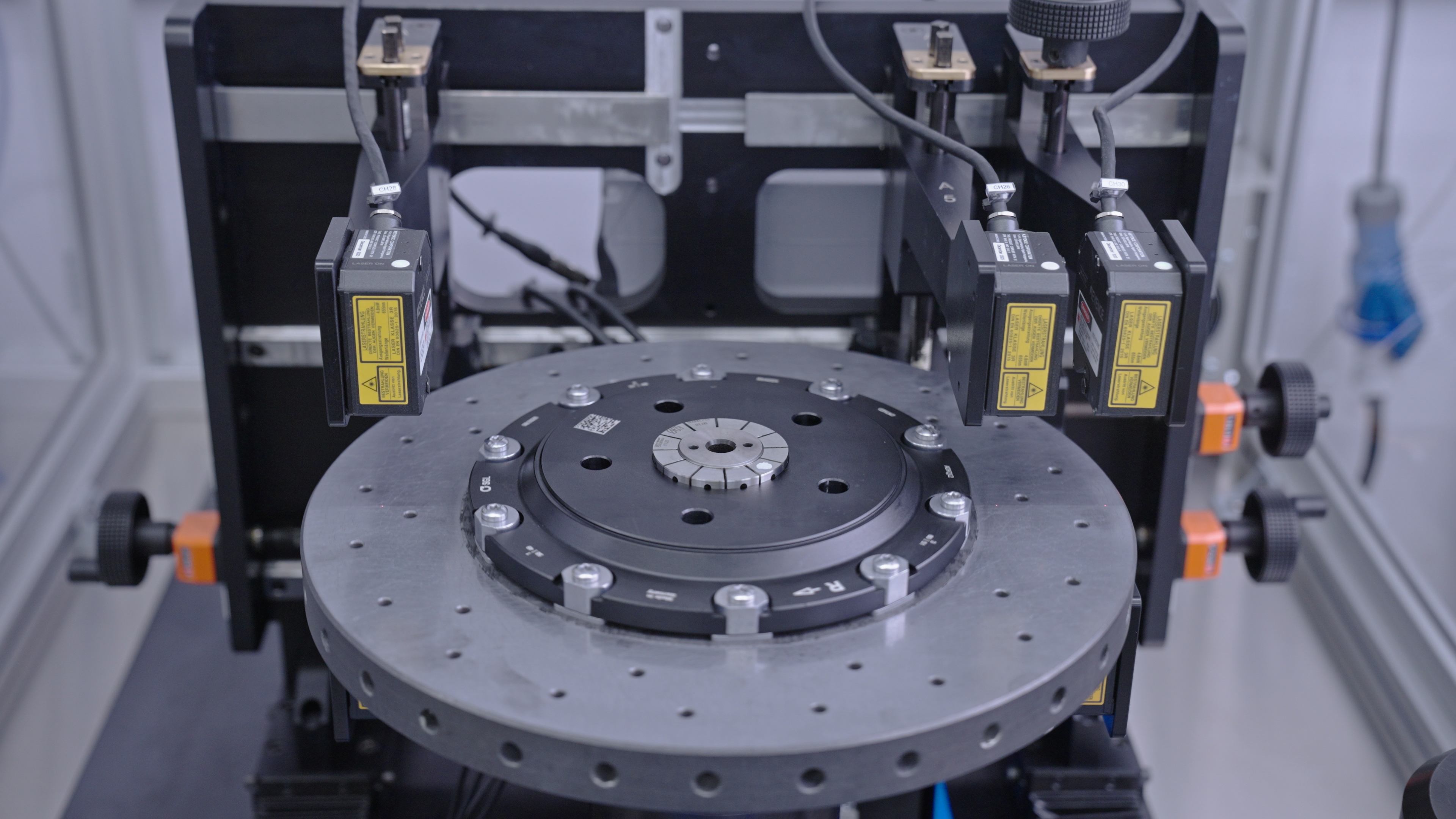
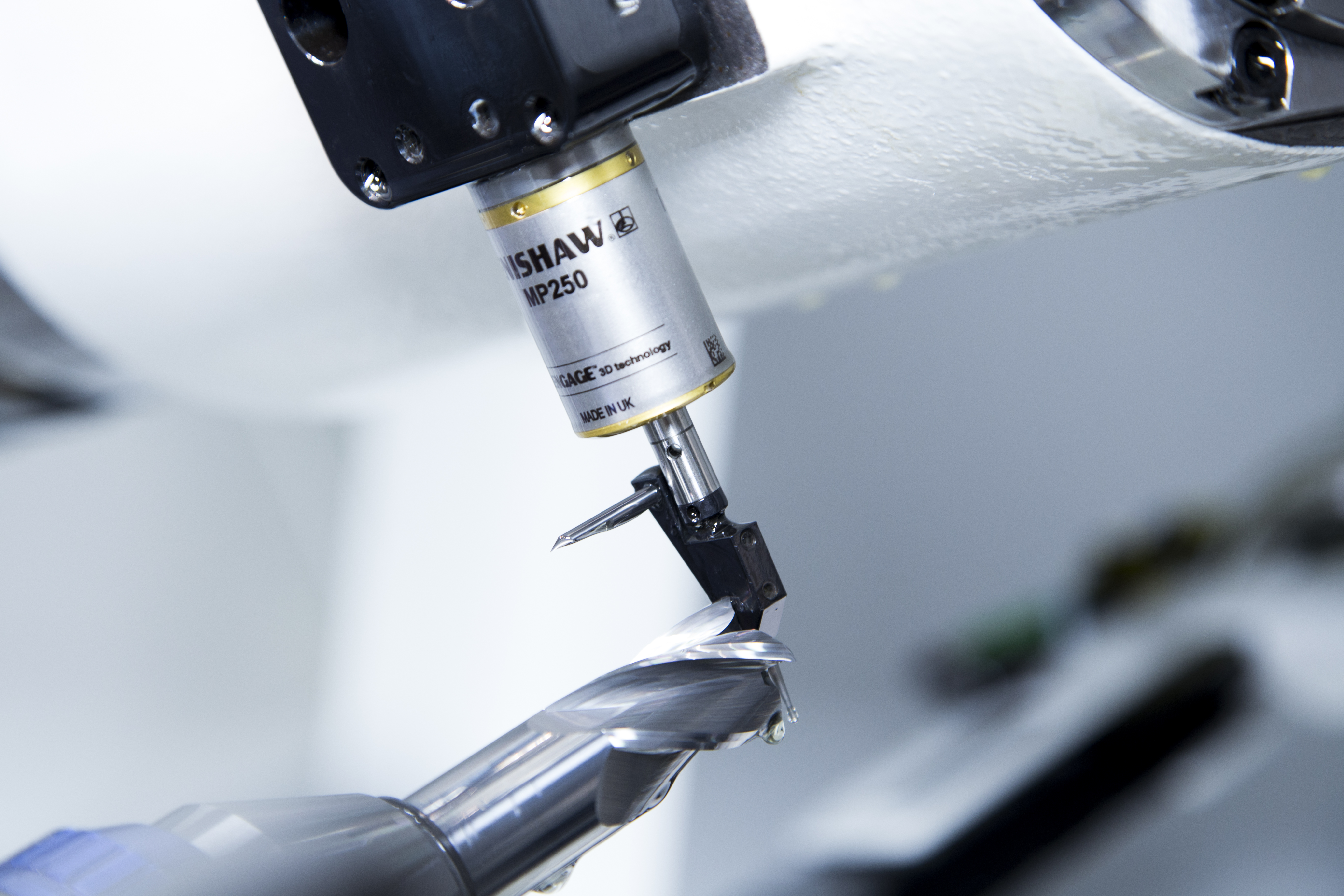
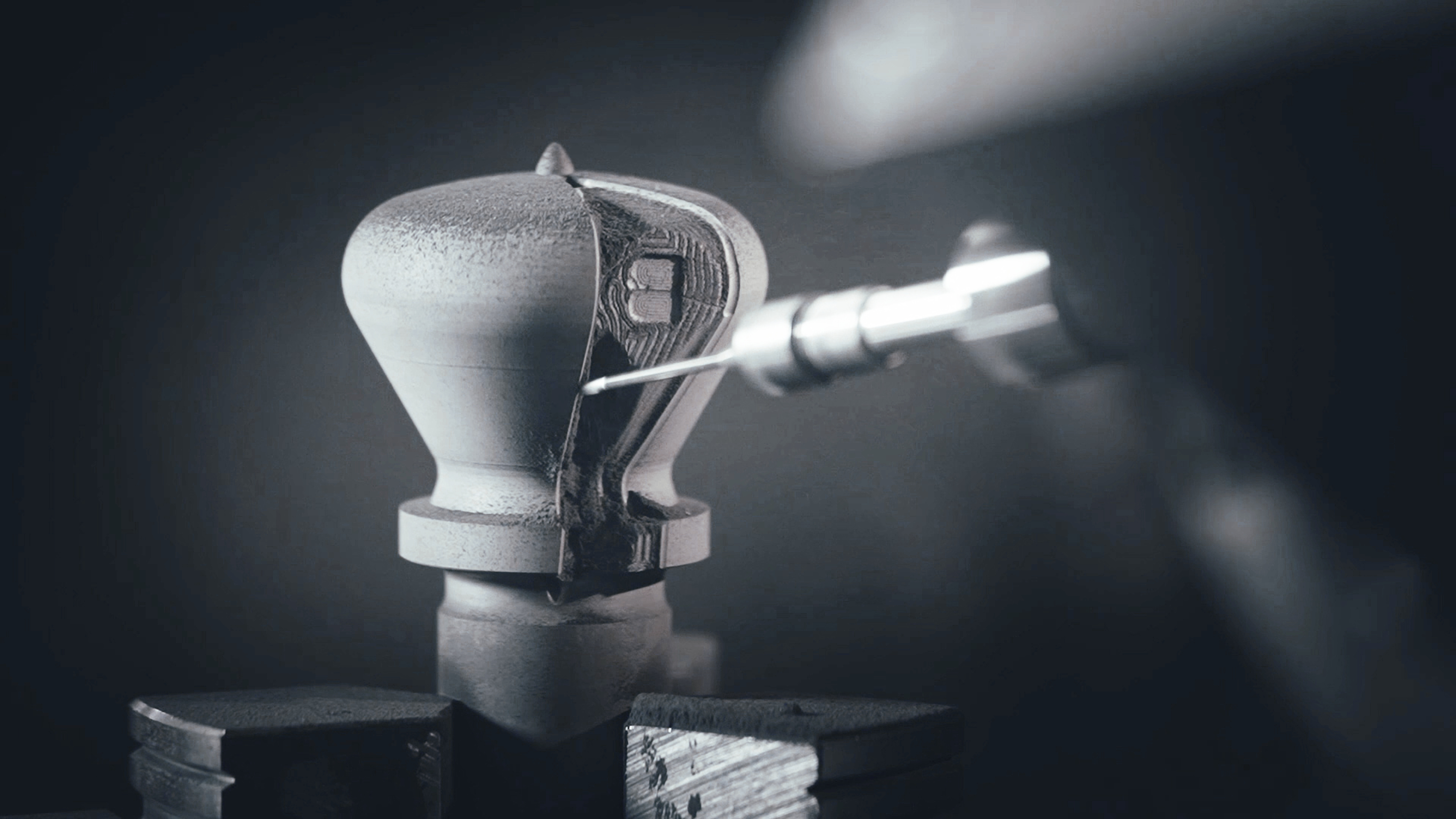
In modern grinding machines, measurement technology plays a crucial role in ensuring workpiece quality. Renishaw's probe solutions enable geometric feedback for the quality control loop. "Our probes are used to determine the position, orientation, and condition of workpieces. Determining the actual material measurements helps avoid unproductive "empty cuts". The final inspection can
also be carried out directly in the machine’s work area,” says Dr. Jan Linnenbürger, Business Development Manager EMEA at Renishaw, which is based in Pliezhausen, Germany. "This enables users to achieve high process capability, even when process parameters fluctuate. Integrating geometric measurement into the grinding machine significantly improves process reliability and efficiency."
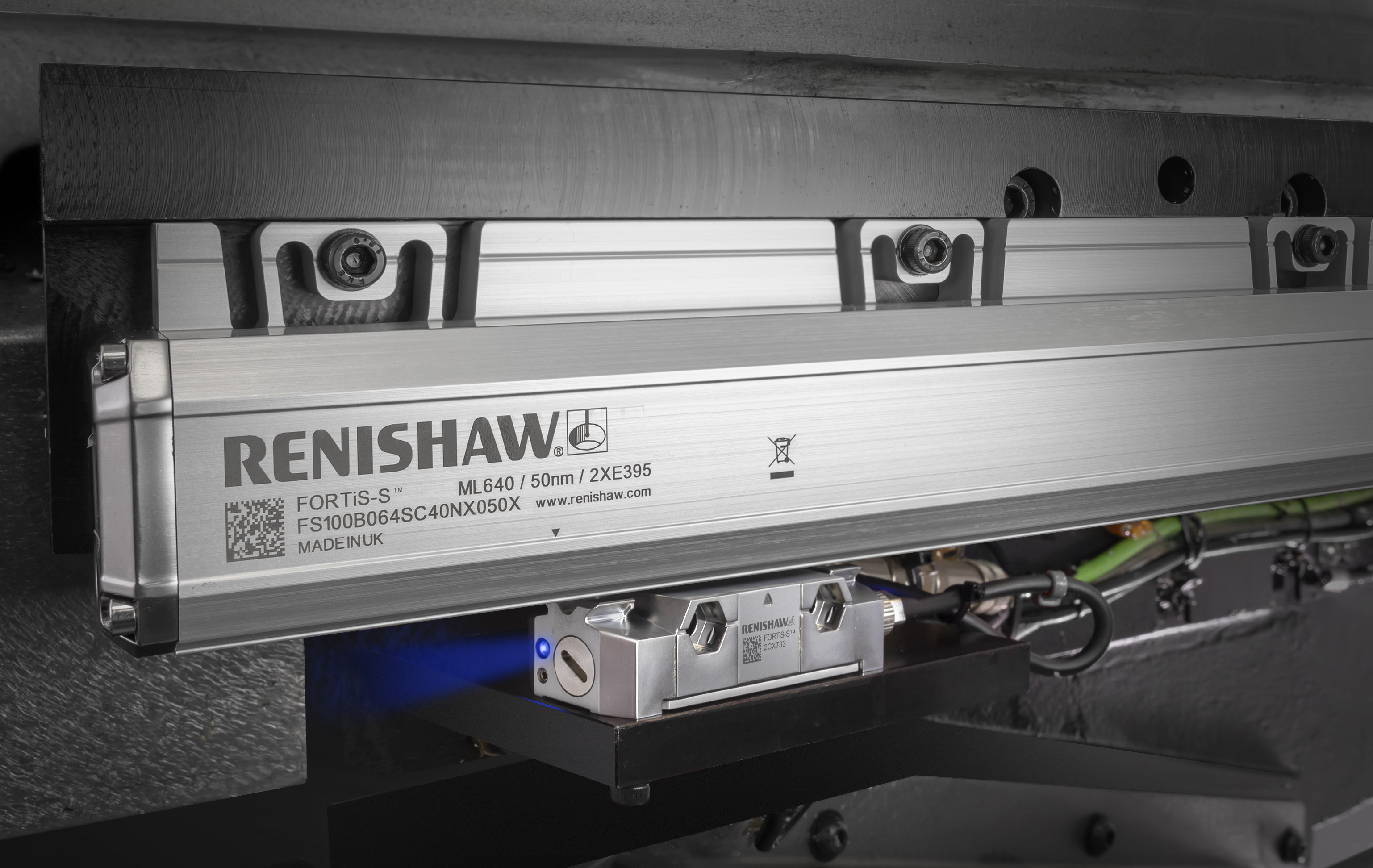
A key feature of Renishaw’s technology is its exceptional accuracy in 3D measurements: “Renishaw is known for achieving a repeatability of less than 0.25 micrometers,” emphasizes Linnenbürger. Thanks to their robust and particularly compact design, the probes meet the demanding requirements of a grinding machine. Especially in engine rooms where space is limited, the company offers motorized measuring arms to reach all measurement points. In addition, the portfolio includes high-precision encapsulated position measuring systems that are specifically tailored to the needs of grinding machines. Francesco Palumbo, Encoder Sales Representative at Renishaw, is convinced: “With our solution, we achieve the highest levels of accuracy down to the last micrometer and ensure optimal grinding results.”
Optimized CBN (rotor) grinding wheels – tools for demanding applications
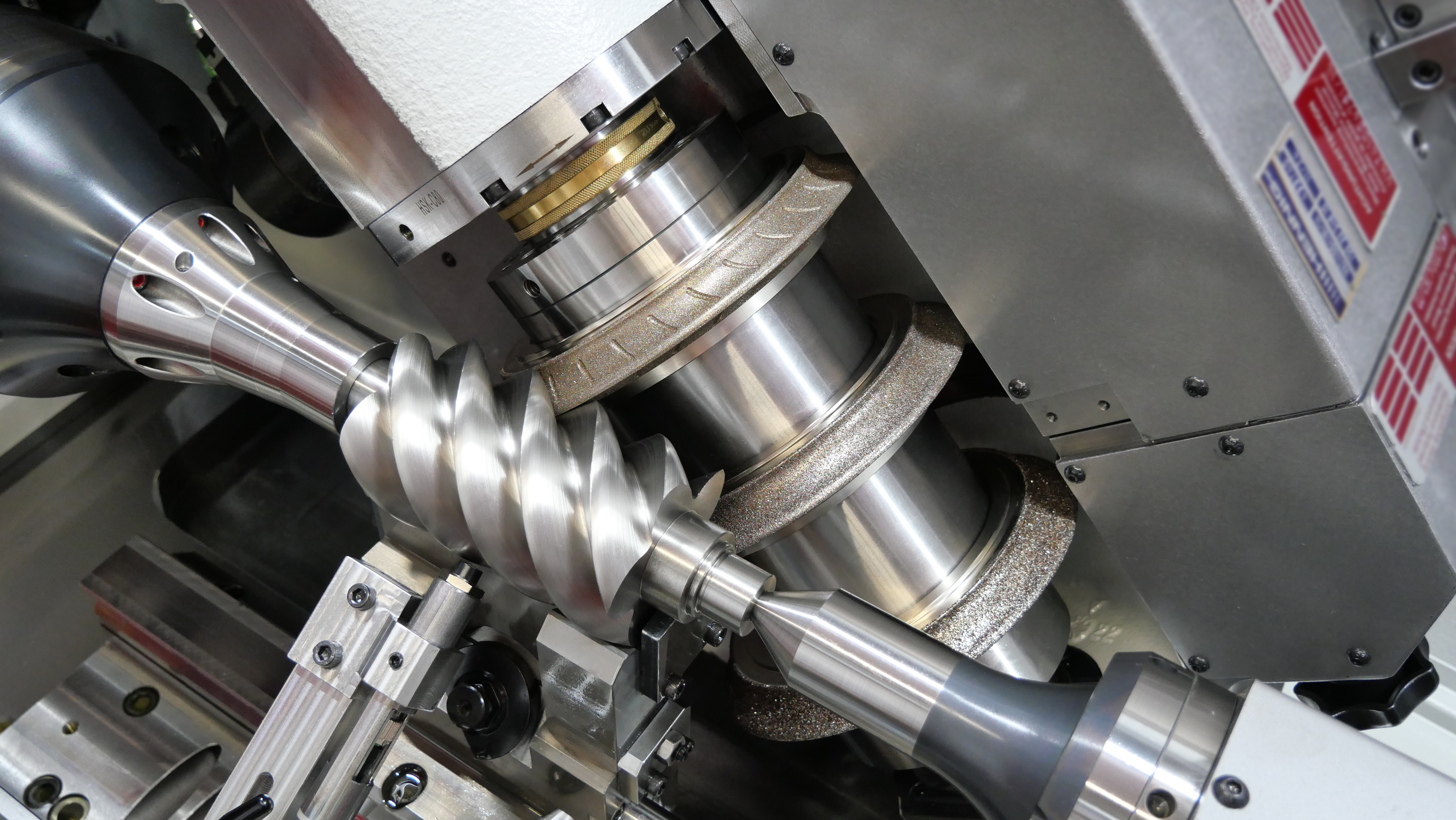
Following several years of development, innovative, specialized CBN roughing and finishing grinding wheels for rotor machining are now available for the first time. The tools were specifically developed for machining cast rotors and complement the established CBN product line of the Kapp Niles Group based in Coburg. During the roughing process, the newly introduced grit achieves a significant reduction in heat generation thanks to an optimized coolant supply and larger chip clearances. In industrial applications, the material removal rate Q'w was also increased, which – combined with the lower heat input – reduced grinding time by up to 30 per cent. By increasing the process parameters, it becomes possible to machine parts with significant excess material (e.g. pre-cast rotors with 2–4 mm of excess material) in a cost-effective manner. Pre-machining of the rotor profiles is no longer necessary, thereby eliminating the need for the milling process.
An optimized CBN grit is used for finishing operations; it is specifically designed for machining castings. The result is a significant increase in tool life quantity while maintaining the usual – consistently high – component quality. The optimized CBN grinding wheels can be used individually or combined into a performance package, significantly boosting the potential of RX machines in the series production of cast rotors. Existing tools can be updated; the solutions have been tried-andtested in the industry and are ready for the shop floor. With the additional CBN tool series, Kapp Niles is strengthening its position in the series production of rotors and laying the groundwork for innovative and even more customized solutions, thereby setting new trends. “Feedback from our customers shows that our optimized CBN tools have hit the mark and enable us to support our customers’ production in a way that is both efficient and tailored to their needs,” says Andreas Paatz, Head of Service, Tools, and Digitalization.
Redefining reliability in tools
There are also many international exhibitors in Stuttgart. Many suppliers focus on tools, grinding, and a holistic approach to processes. Ceratizit, headquartered in Luxembourg, for example, is showcasing its “Rods & Preforms” business unit as well as its entire “Private Label” division, with a focus on its portfolio for tool manufacturers. “At GrindingHub, true to the motto ‘Reliability Redefined,’ we will showcase our fully integrated value chain: from powder to finished semi-finished products. Especially in times when availability is the top priority, we are thus ensuring our customers receive the highest level of supply while maintaining premium quality,” announced Michael Knittl, Head of Sales and PM at Ceratizit.
This year’s additions include, among other things, expansions to the ultra-fine portfolio, for example, for solid carbide (VHM) milling, as well as new versions of milling blanks for micro-machining with up to seven cooling channels. “This optimizes milling performance thanks to targeted cooling in the cutting zone and extends tool life, while of course maintaining full stability of the shank and the finished, ground tool,” adds Knittl. In addition, the company has for some time offered carbide substrates whose recycled tungsten carbide powder boasts the highest material recycling rate in its category: 99 per cent of the powder is recycled using advanced metallurgical technologies and 100 per cent renewable energy. Michael Knittl comments: “And in this category, too, we are constantly working on new ways to expand the range of applications for these substrates!”
Holistic approaches to efficient grinding
In today's manufacturing processes, high-precision grinding is often achieved through the coordinated interaction of all components involved in the process. This is especially true for complex components. Modern approaches involve integrated process chains that incorporate high-precision measurement technology directly into the machine in order to minimize process forces and improve both quality and efficiency. New developments, such as optimized CBN grinding wheels, further increase productivity, reduce heat build-up, and significantly shorten machining time. Overall, grinding is evolving into a comprehensive key technology in which integrated systems and innovative tools are crucial for precision, cost-effectiveness, and process reliability – all of which can be experienced in one place at GrindingHub (May 5–8) in Stuttgart.
(Length: approx. 9,800 characters, including spaces)
Author: Dag Heidecker, trade journalist, Wermelskirchen
Our technical press release is also available for download: Download technical press release (PDF, 352 KB)